
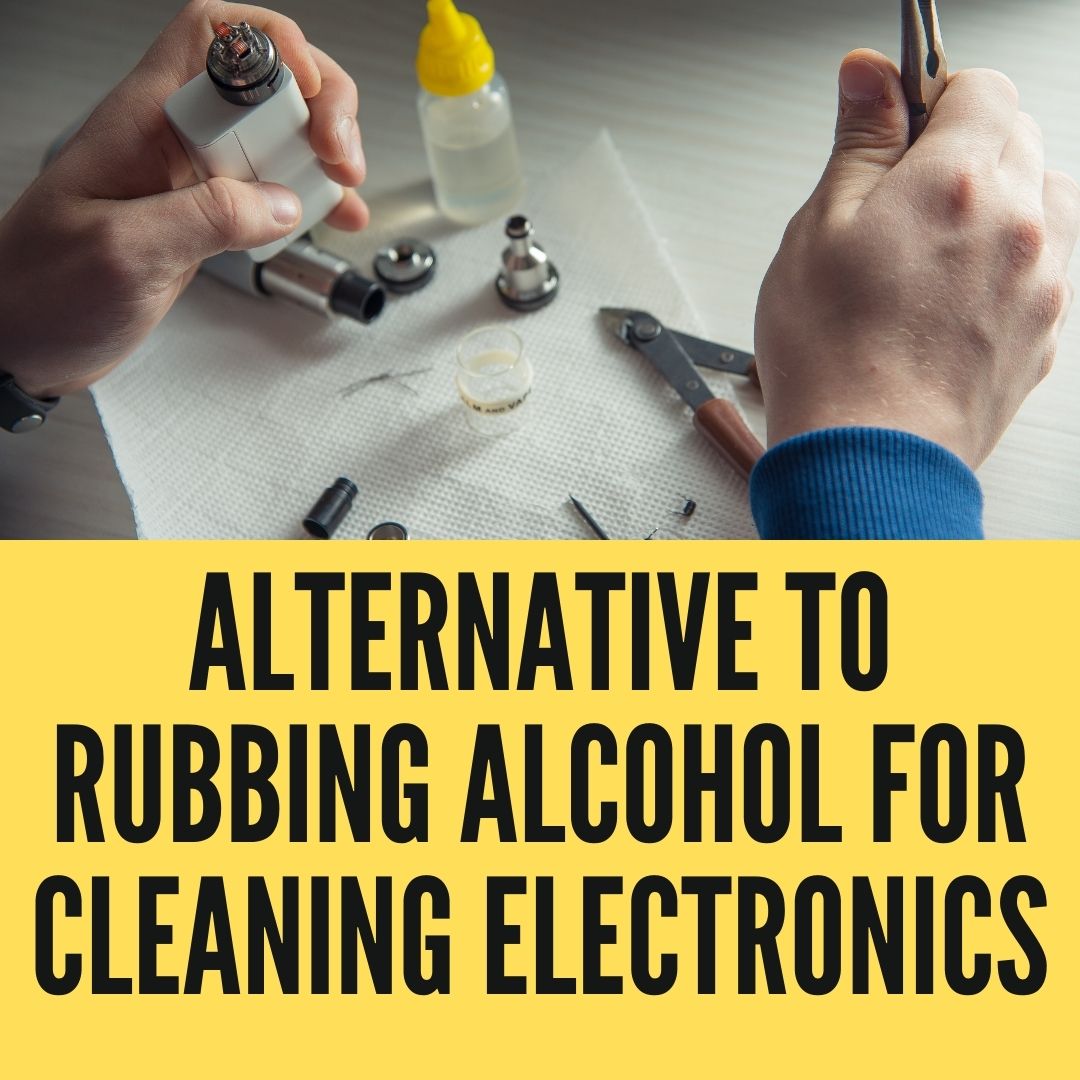
Electronics may not always have that many moving parts, but the few parts that do move in them (like fans) tend to create a lot of dirt, dust, and debris. There are a lot of ways to clean out your electronics, but rubbing alcohol is often one of the top choices for doing so.
So what is the best rubbing alcohol alternative for cleaning electronics? The best alternative to rubbing alcohol for cleaning electronics is nail polish remover containing acetone. You can also use a microfiber cloth or a compressed air duster to clean out electronics without having to apply an additional cleaning product.
Rubbing Alcohol Alternatives for Electronics
With the recent shortage of rubbing alcohol due to the ongoing COVID-19 pandemic, people are scrambling for alternatives, and that includes people who are looking to clean their electronics.
Rubbing alcohol is ideal for cleaning electronics because it doesn’t stick around and potentially gunk up the surface that you were cleaning. This is because the rubbing alcohol evaporates shortly after it has been used, leaving no traces behind that can potentially disrupt the operation of your electronics.
Isopropyl alcohol is typically used to clean off things like circuit boards and to remove thermal paste from computer CPUs, but is there anything that can be used in its stead?
1. Compressed Air Duster
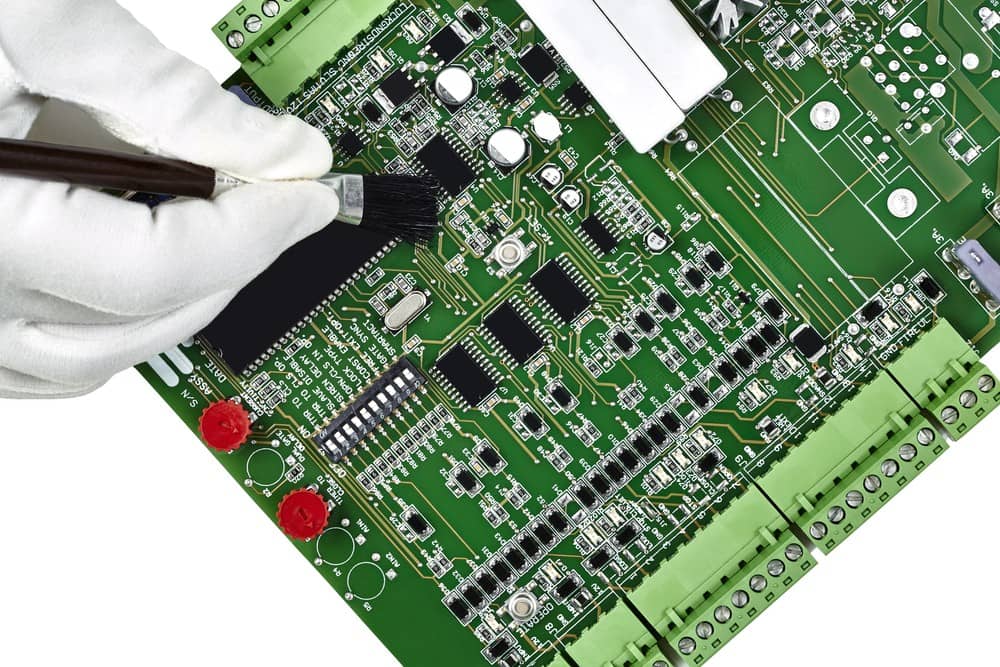
Compressed air is one of the safest and most effective alternatives to rubbing alcohol for cleaning electronics. It works by blowing away dust, dirt, and debris from delicate components without making physical contact.
This is especially useful for keyboards, fans, and ports where particles accumulate but are difficult to reach. Unlike liquid cleaners, compressed air avoids the risk of moisture damage or chemical residue.
However, users must hold the can upright to prevent propellant discharge and use short bursts to avoid condensation. While it won’t remove sticky residues, compressed air is ideal for routine maintenance and prolongs device lifespan.
No products found.
2. Microfiber Cloth
Microfiber cloths are designed with fine synthetic fibers that trap dust and oils without scratching surfaces. They are perfect for cleaning screens, lenses, and glossy finishes on laptops, tablets, and smartphones. Unlike paper towels or cotton rags, microfiber cloths don’t shed lint and can be reused after washing.
When slightly dampened with distilled water or a screen-safe solution, they effectively remove fingerprints and smudges. The key advantage is their gentleness, ensuring coatings like anti-glare or oleophobic layers remain intact. While they require manual effort and may not tackle heavy grime alone, microfiber cloths are the safest daily cleaning option.
No products found.
3. Water-Based Screen Cleaner
Water-based screen cleaners are formulated specifically for electronics. They are alcohol-free, ammonia-free, and anti-static, making them safe for delicate coatings on monitors, TVs, and smartphones. These cleaners lift oils, fingerprints, and dust without damaging protective layers.
Users should spray the cleaner onto a microfiber cloth rather than directly onto the device to avoid liquid seeping into ports. The advantage of water-based cleaners is their balance of effectiveness and safety, providing thorough cleaning without harsh chemicals. While they may cost more than DIY solutions, they are reliable for regular use and ensure long-term protection of sensitive electronic surfaces.
No products found.
4. Acetone (Pure, With Caution)
Pure acetone can serve as a strong solvent for cleaning electronics, particularly for removing thermal paste from CPUs or stubborn residues on circuit boards. It evaporates quickly, leaving no residue, which makes it effective in certain technical applications. However, acetone must be used with extreme caution.
It can dissolve plastics, strip coatings, and damage painted surfaces if left in contact too long. Users should apply it sparingly with a lint-free cloth and avoid areas with delicate finishes. While not suitable for everyday cleaning, acetone is a powerful tool for technicians who need to handle specific tasks requiring strong solvents.
No products found.
5. Specialized Gadget Cleaners
Specialized gadget cleaners are commercial products designed exclusively for electronics. They often use plant-based or non-toxic formulations that safely remove oils, dust, and bacteria. Many come as kits with microfiber cloths, brushes, and sprays tailored for laptops, tablets, cameras, and smartphones.
These cleaners are tested to ensure they don’t harm coatings or leave residues. Their advantage lies in convenience and reliability, offering a complete solution for consumers who want professional-grade care. While they may be more expensive than household alternatives, they provide peace of mind and consistent results, making them a worthwhile investment for protecting valuable electronics.
No products found.
Here are some other posts that might interest you:
- Can You Use Rubbing Alcohol To Clean Glass?
- Is Rubbing Alcohol The Same As Hand Sanitizer?
- Isopropyl Alcohol Alternatives For Disinfecting
- How To Make Your Own Rubbing Alcohol At Home
- Best Rubbing Alcohol for Cleaning
FAQs
1. Can I use acetone instead of rubbing alcohol? Yes, but only pure acetone. Avoid nail polish removers with additives.
2. Is water safe for cleaning screens? Yes, if distilled and applied with microfiber cloths. Avoid excess moisture.
3. Why avoid household cleaners? They contain ammonia or harsh chemicals that damage coatings.
4. Can compressed air replace alcohol? Yes, for dust removal. It won’t clean sticky residues.
5. Are alcohol‑free cleaners effective? Yes, they lift oils and dust without harming coatings.
6. Can I use vinegar? No. Vinegar is acidic and can corrode sensitive surfaces.
7. What’s the safest daily method? Microfiber cloths with distilled water or screen‑safe spray.
8. Do electronics need disinfecting? Yes, especially phones. Use alcohol‑free disinfectants designed for gadgets.
9. Can rubbing alcohol damage plastics? Yes, it can cause cracking or discoloration.
10. Where can I find community advice? Tom’s Hardware Forums for user experiences.
Conclusion
Rubbing alcohol is effective but risky for electronics. Safer alternatives like compressed air, microfiber cloths, and alcohol‑free cleaners protect delicate coatings and prevent fire hazards. For heavy cleaning, use pure acetone cautiously. Always prioritize products designed for electronics to ensure long‑term safety.

My name is Logan, and I’m a 36-year-old dad who owns a small pressure-washing company in the suburbs of Atlanta, Georgia. My main goal with rubbing-alcohol.com is to show you how versatile isopropyl rubbing alcohol can be! I hope. You find it useful.